
RESONANCE & TEXTURE (SUPERPOSITION)
The same molecular structure that filters sound also shapes the surface. In this simulation, acoustic inertia transforms into visual substance. We analyze wave propagation (superposition) across different densities. Lead absorbs the impulse immediately (high damping, matte surface). Glass transmits energy almost without loss (high elasticity, glossy surface). As a designer, I am interested in the precise point where physical property (damping) becomes aesthetic experience (haptics).
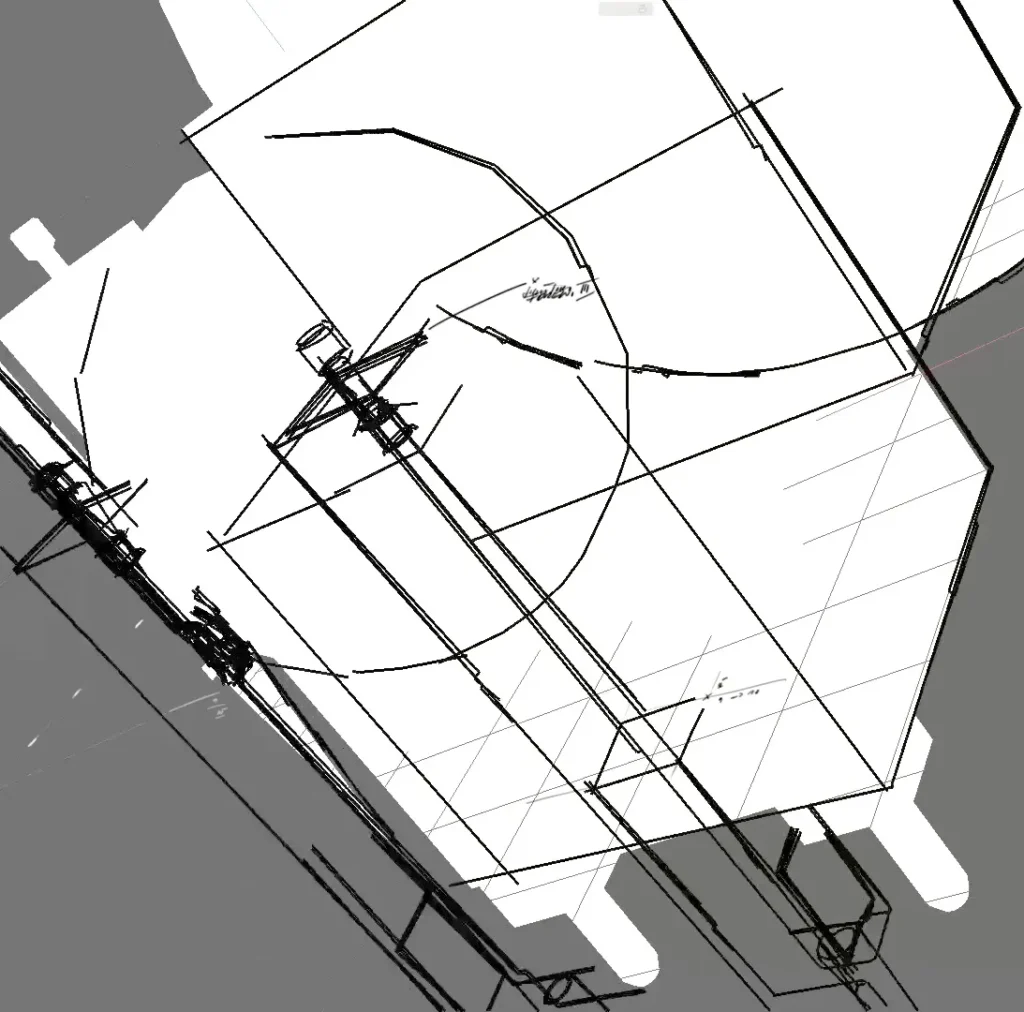
OPEN_DATA
/// SURFACE_ACOUSTICS
- SIMULATION
- WAVE_PROPAGATION (2D Lattice)
- VARIABLES
- ELASTICITY // DAMPING_FACTOR
- MATERIALS
- Pb (LEAD) vs. Sn (TIN) vs. SiO2 (GLASS)
/// NOTE: ANALYZING HOW MOLECULAR STRUCTURE DEFINES BOTH:
TACTILE TEXTURE AND ACOUSTIC DECAY.
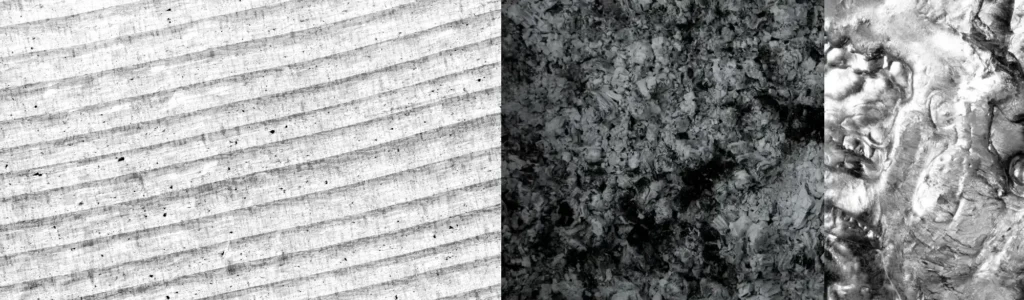
REF // CONCERT_ORGAN_DESIGN
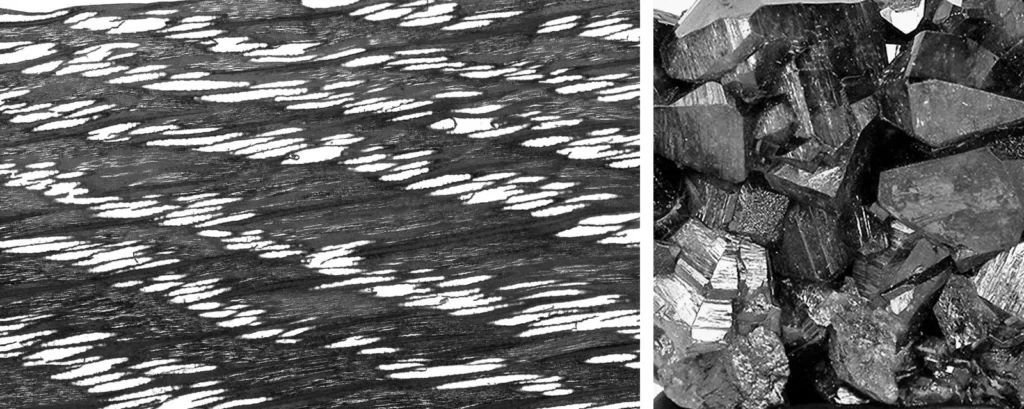
REF // INTERNATIONAL_COMPETITION
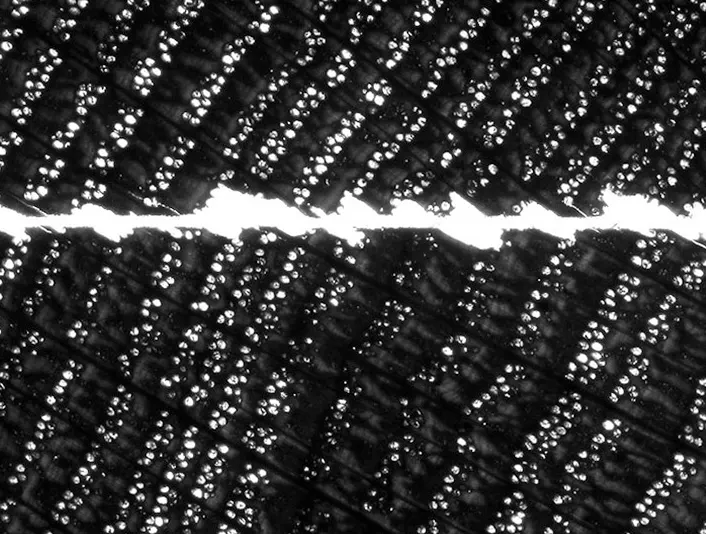
ID // RESONANCE
ID // ACOUSTIC STANDARDISATION
ID // WAVE MECHANICS
ID // PARAMETER